
High-Power Thermal Validation
Turn thermal uncertainty
into an engineering decision.
Hyper Cool Lab
Engineering decisions we support
- Is the current cooling approach sufficient before moving to a custom solution?
Which boundary condition or interface is actually limiting performance?
What physical evidence is needed before the next design, integration, or customer-validation decision?
Validation Scope
What Can Be Brought into Validation?
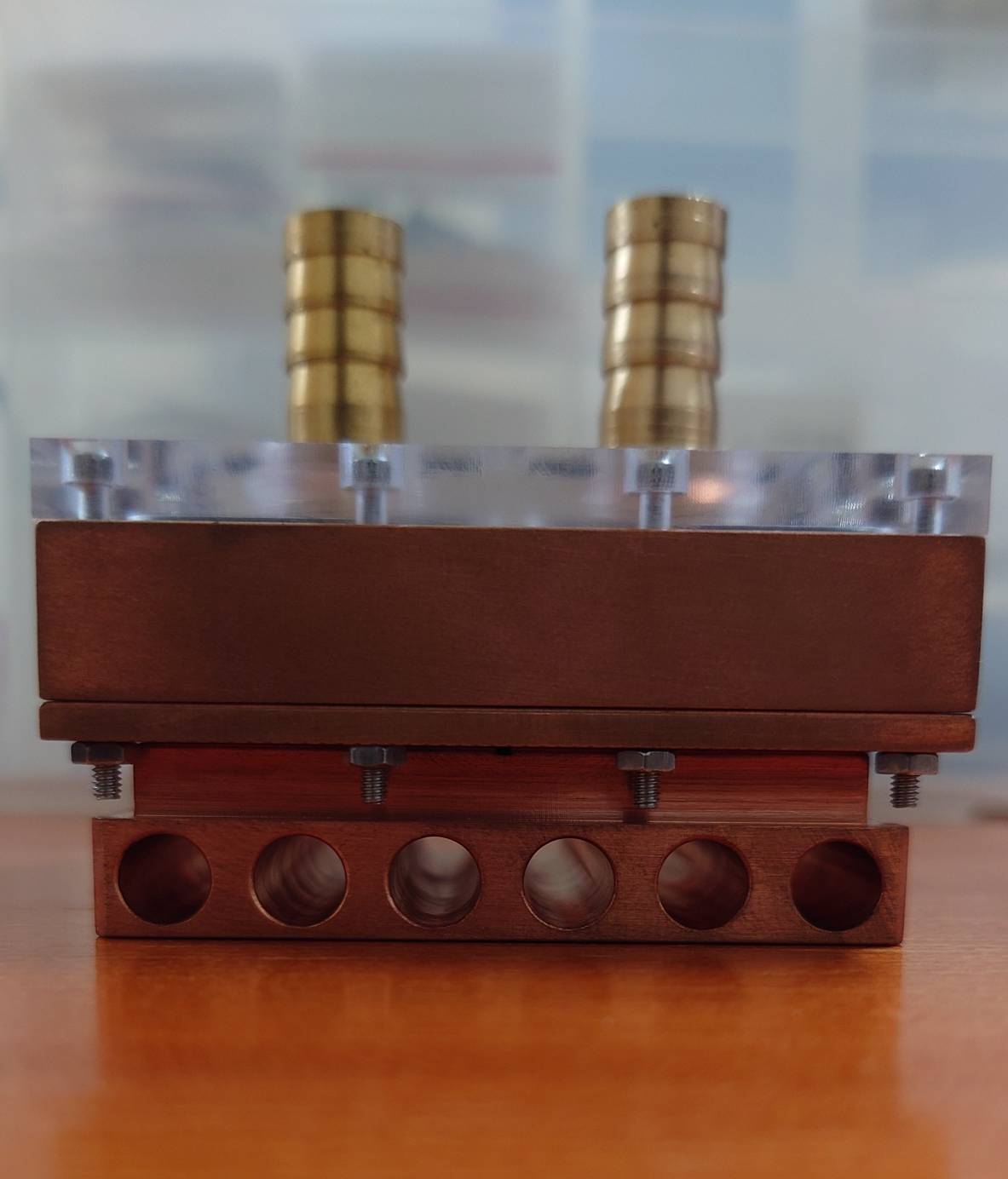
Physical Prototypes & Test Hardware
High-power prototypes, test assemblies, and hardware interfaces that need physical evidence before redesign, integration, or customer validation.
Simulated Heat Sources & Test Fixtures
Heater blocks, thermal test vehicles, interface stacks, and fixtures used to reproduce known loads or boundary conditions before testing the target hardware.
Cooling Components & Thermal-Fluid Subsystems
Cold plates, heat spreaders, pumps, sensors, controllers, flow paths, and integrated modules that need controlled comparison or response validation.
Actual scope depends on the interface, operating boundary, instrumentation, and safety requirements.
How We Work
How an Engagement Typically Starts
Define the Problem
Clarify the engineering decision, uncertain boundary conditions, and evidence already available.
Generate the Evidence
Build the minimum controlled test or physical comparison needed to answer that decision.
Extend When Needed
Move into prototype integration, repeated validation, or managed access only when the evidence justifies it.
Why Hyper Cool Lab
Vendor-Neutral Judgment
HCL does not sell cold plates or tie its recommendations to a particular cooling product, supplier, or product line.
Controlled Conditions
Define the relevant load, interface, cooling condition, and comparison basis before interpreting results.
Continuous Data Capture
DAQ-based time-series recording preserves temperature and, where applicable, electrical or fluid signals over time instead of reducing a test to isolated readings.
Transparent Engineering Judgment
State the assumptions, evidence limits, and recommended next step so the decision boundary remains clear.
Technical Insights & Case Notes
Start with the Engineering Question
Have an Engineering Question That Needs Physical Evidence?
Start with the hardware, current conditions, and the decision ahead. We can help define the minimum validation needed.
Discuss an Engineering Question